More space to work
Replace a small pile of first-line instruments with one pocket-sized station.

Open-source hardware
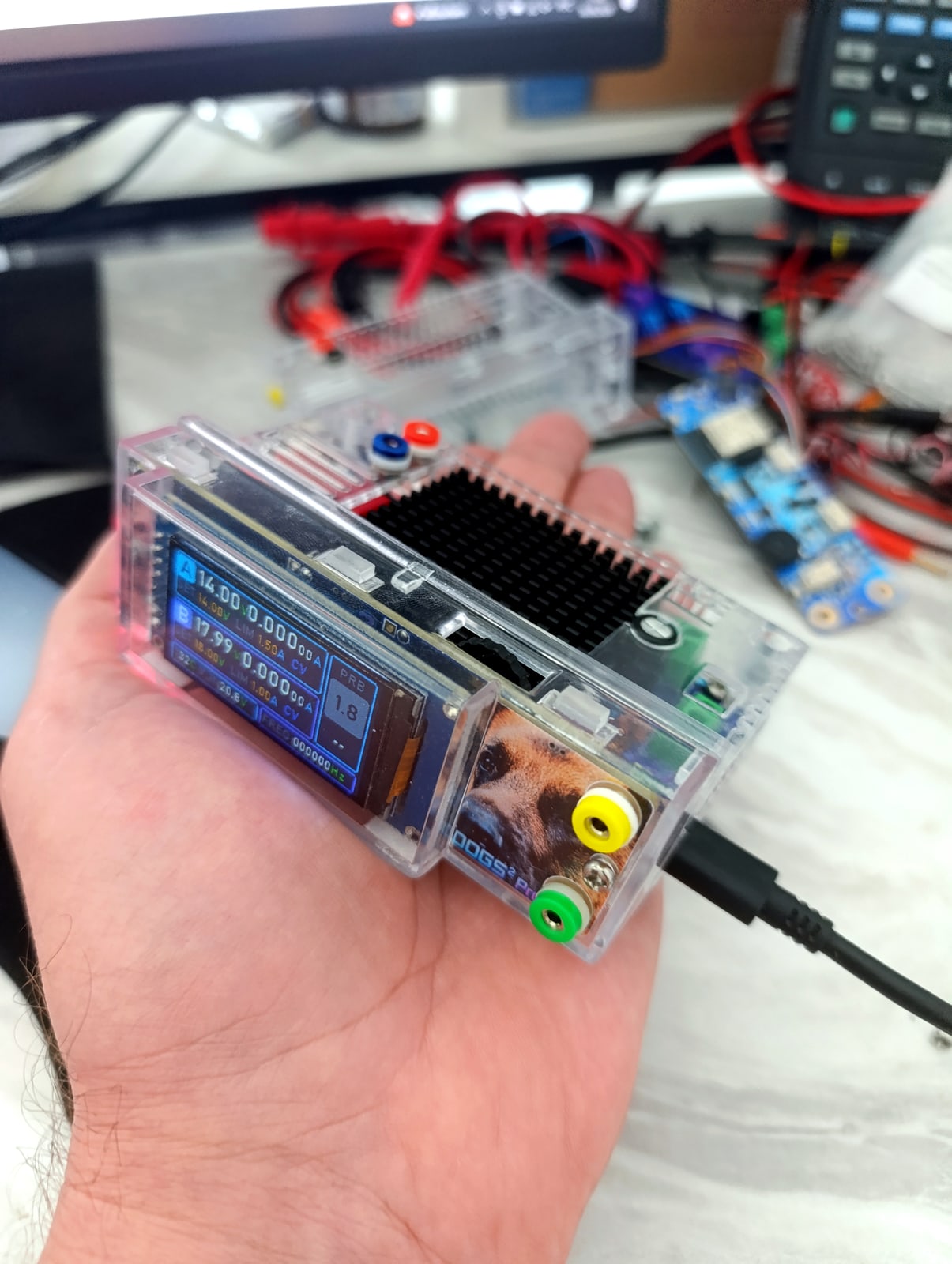
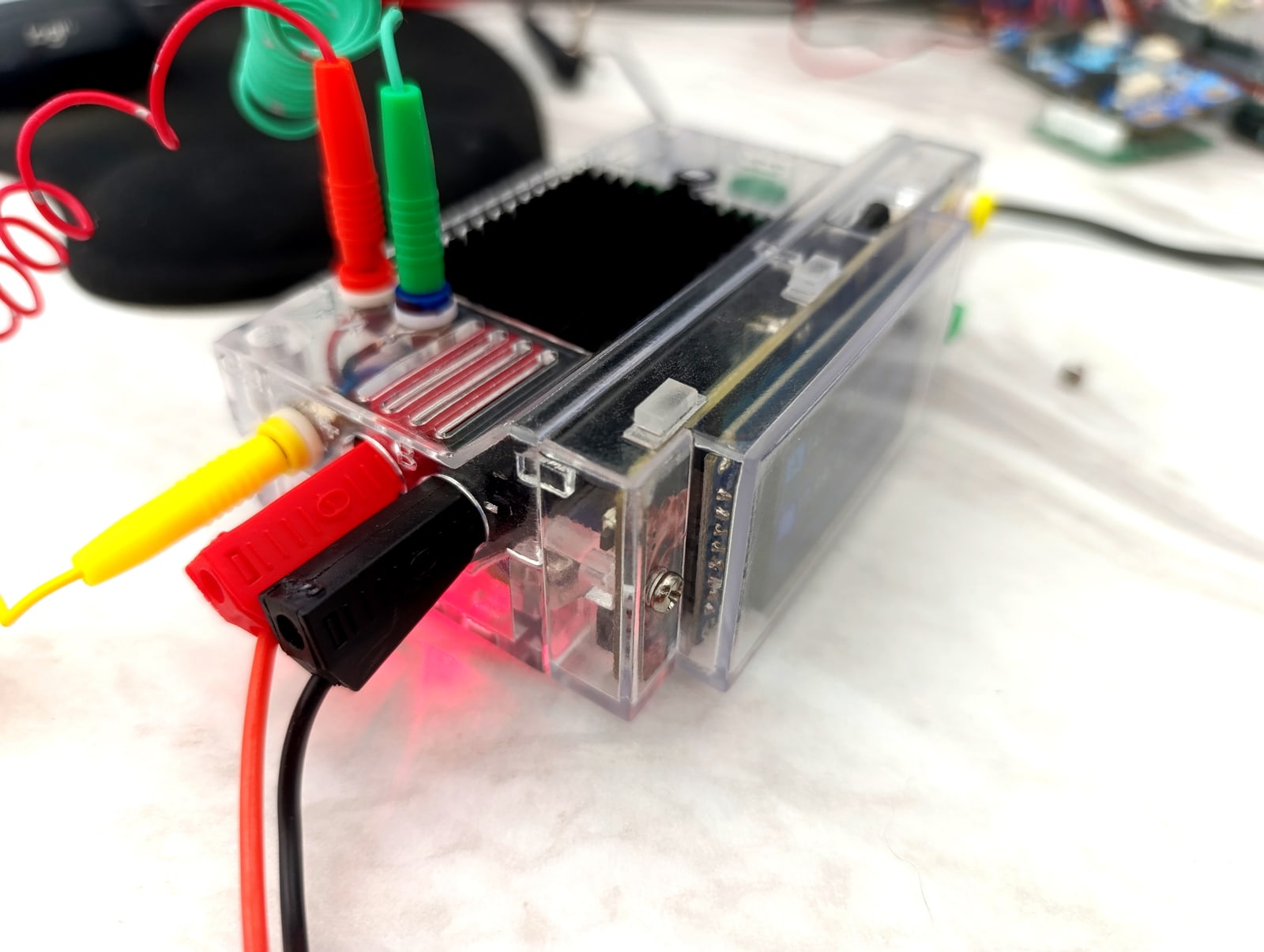
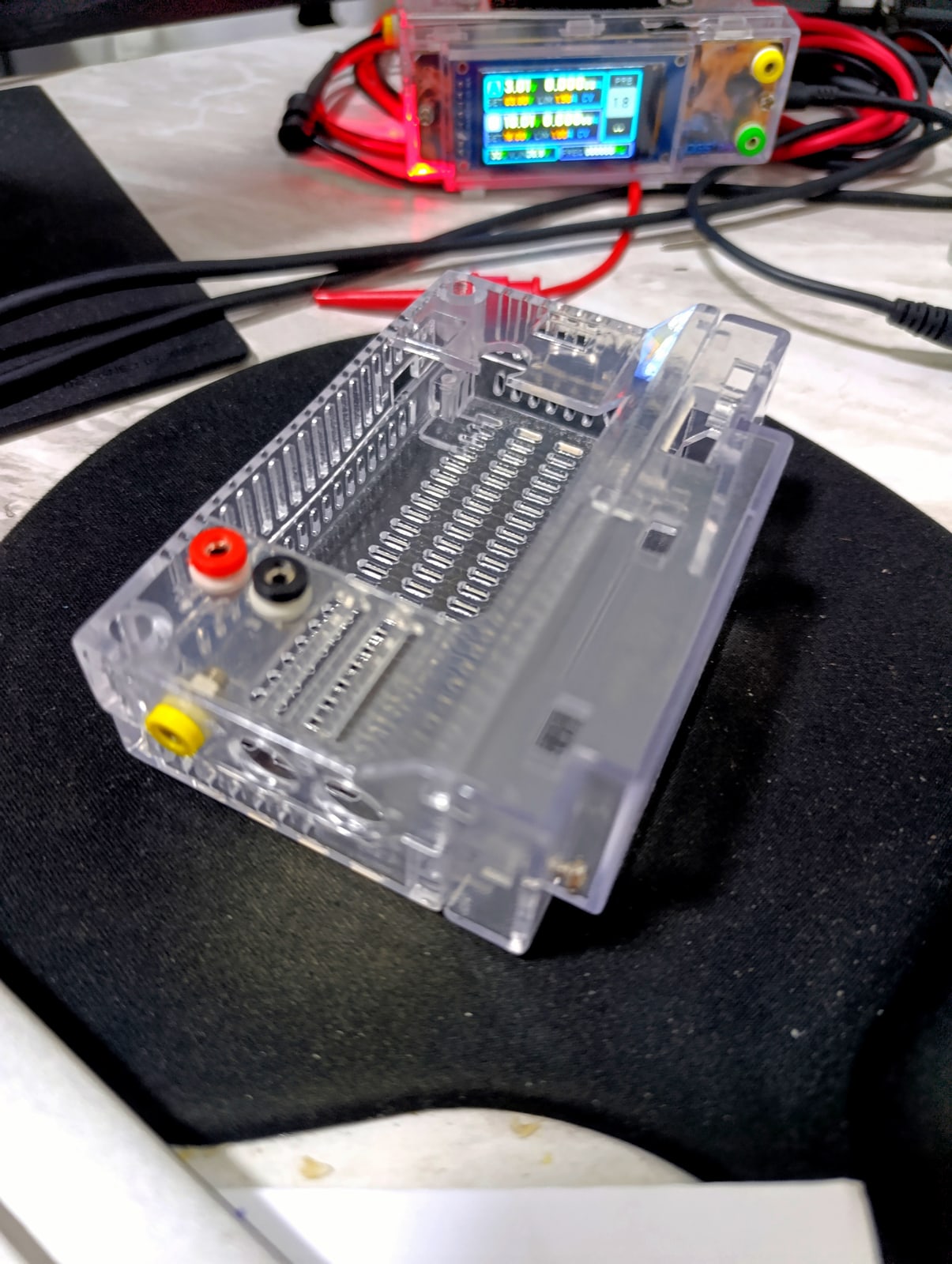
DOGS² combines two programmable power supplies, current measurement, and everyday data-terminal and bus-sniffer tools in one compact standalone station.
Five v1 engineering samples built. Hardware testing and preparation for external beta testing are ongoing.
Why DOGS²
Replace a small pile of first-line instruments with one pocket-sized station.
Use the built-in display, encoder and controls for standalone operation. Bluetooth SPP provides terminal data, commands and telemetry, including current graphs in a compatible phone app—all without occupying another USB port.
Power is the first connection. DOGS² adds current visibility and diagnostics at that same moment.
Dual programmable power
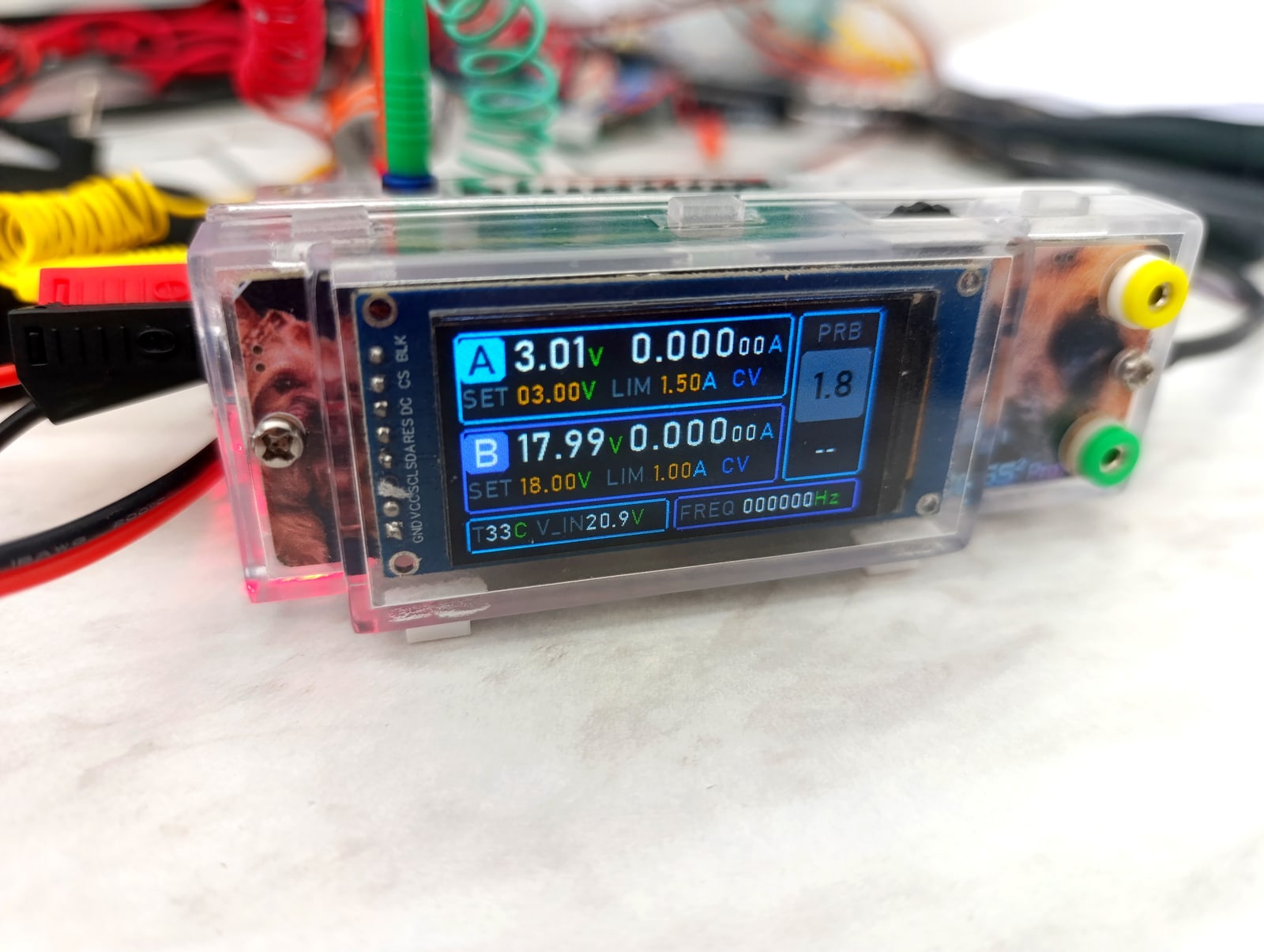
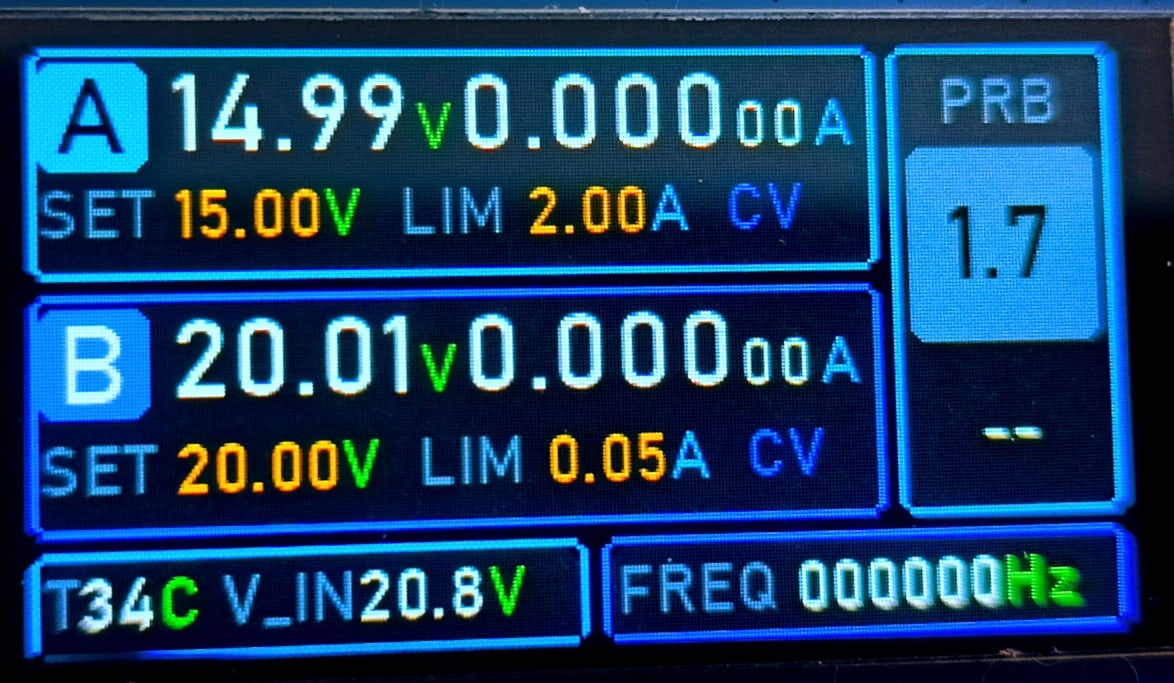
Control two power rails independently from the same compact device. Set voltage and current limits, monitor actual output values, and view current graphs on the built-in display or in a phone app.
Published v1 engineering-sample parameters, subject to testing and tuning. Peak current ratings are not continuous-current ratings; measurement resolution is not an accuracy specification.
Built-in tools
DOGS² is not a replacement for your oscilloscope. It is the compact set of tools you reach for before it.
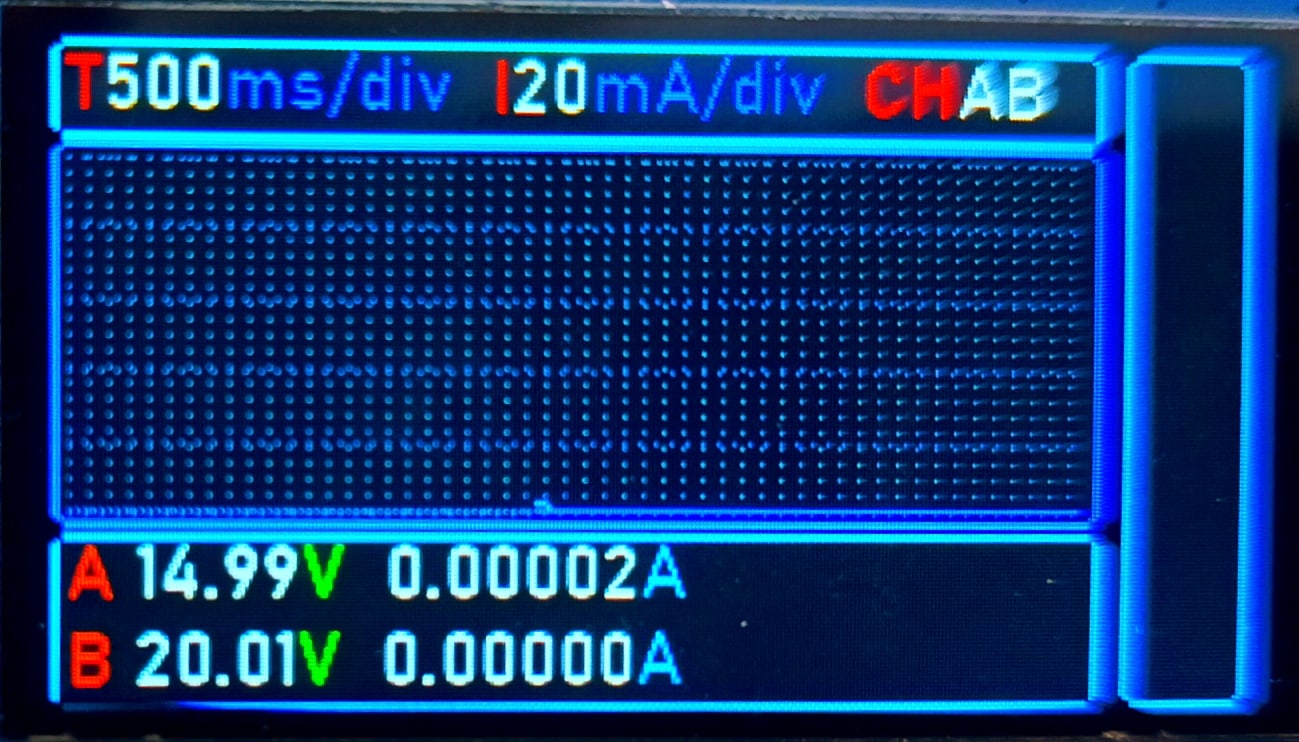
Voltage and current monitoring, a logic probe and a frequency-meter input. View current-consumption graphs on the built-in display and in a compatible phone app over Bluetooth SPP.
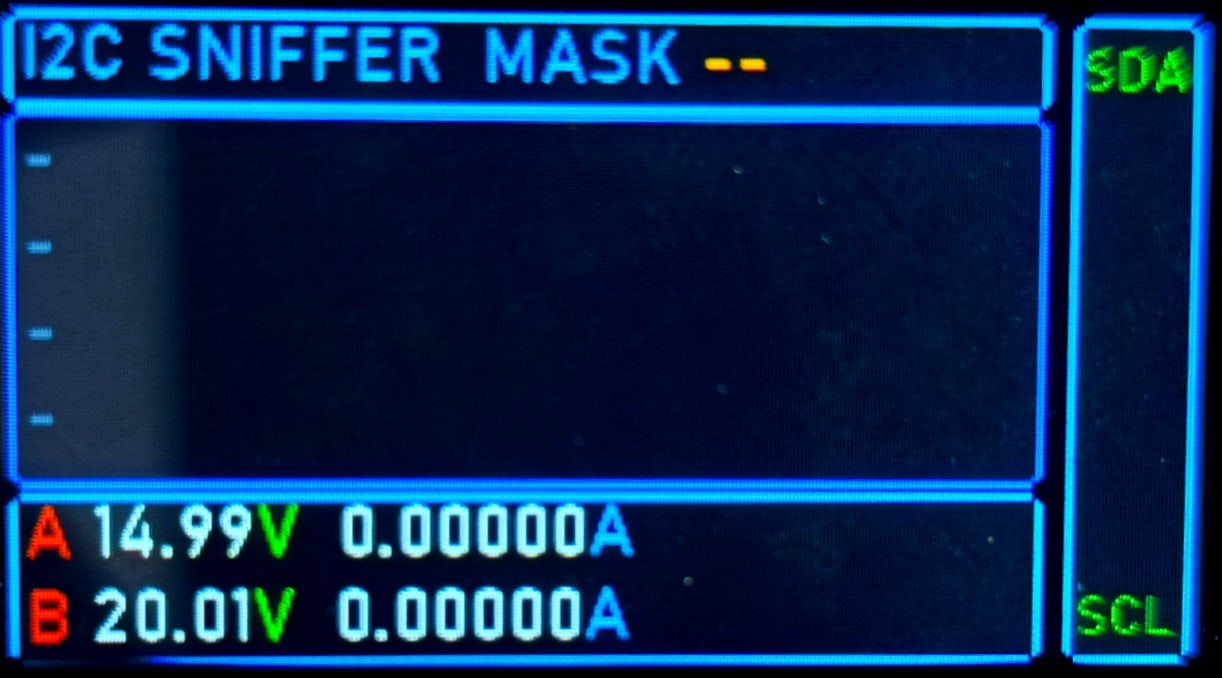
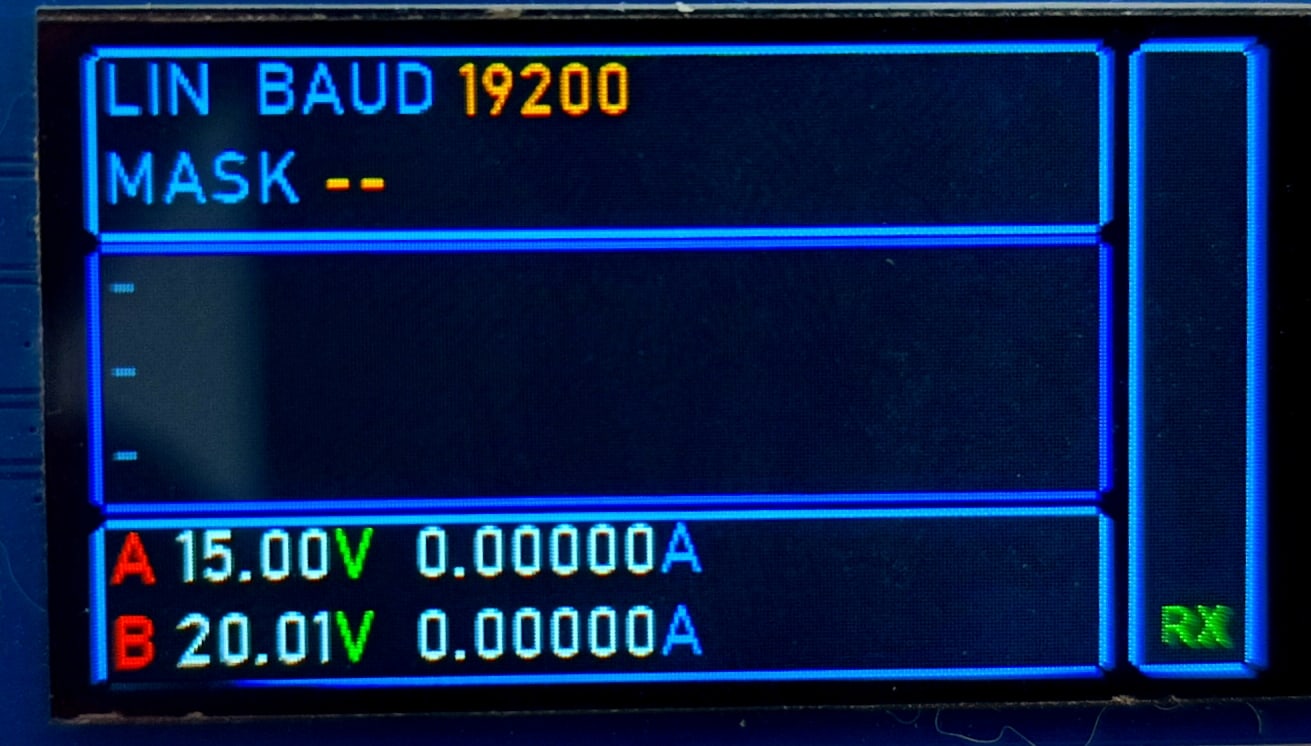
UART and RS-485 terminals; CAN receive, filtering and transmission; a LIN bus sniffer; and an I²C passive sniffer and master terminal.
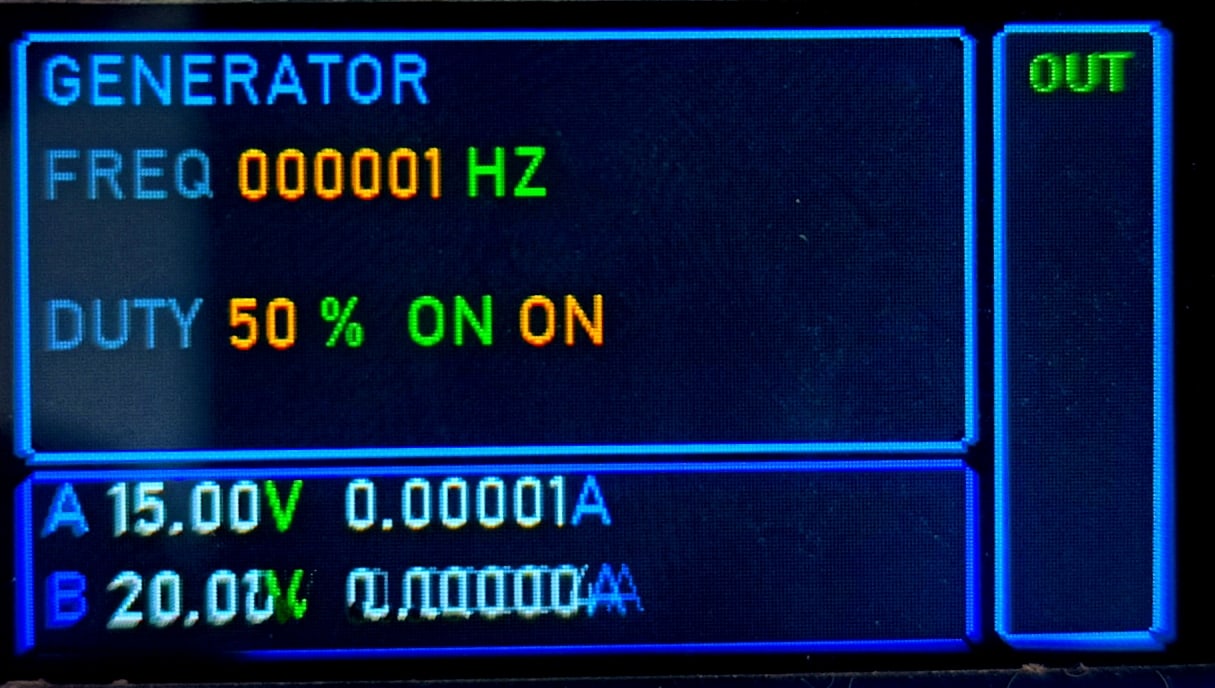
Square-wave generation from 1 Hz to 100 kHz with a 3–20 V output, adjustable duty cycle and output control.
Current status
Five v1 engineering samples have been assembled. View current graphs directly on the device and inspect LIN traffic alongside the power, measurement, signal generation and other interface tools. Hardware characterization and firmware tuning continue.
Why DOGS²?
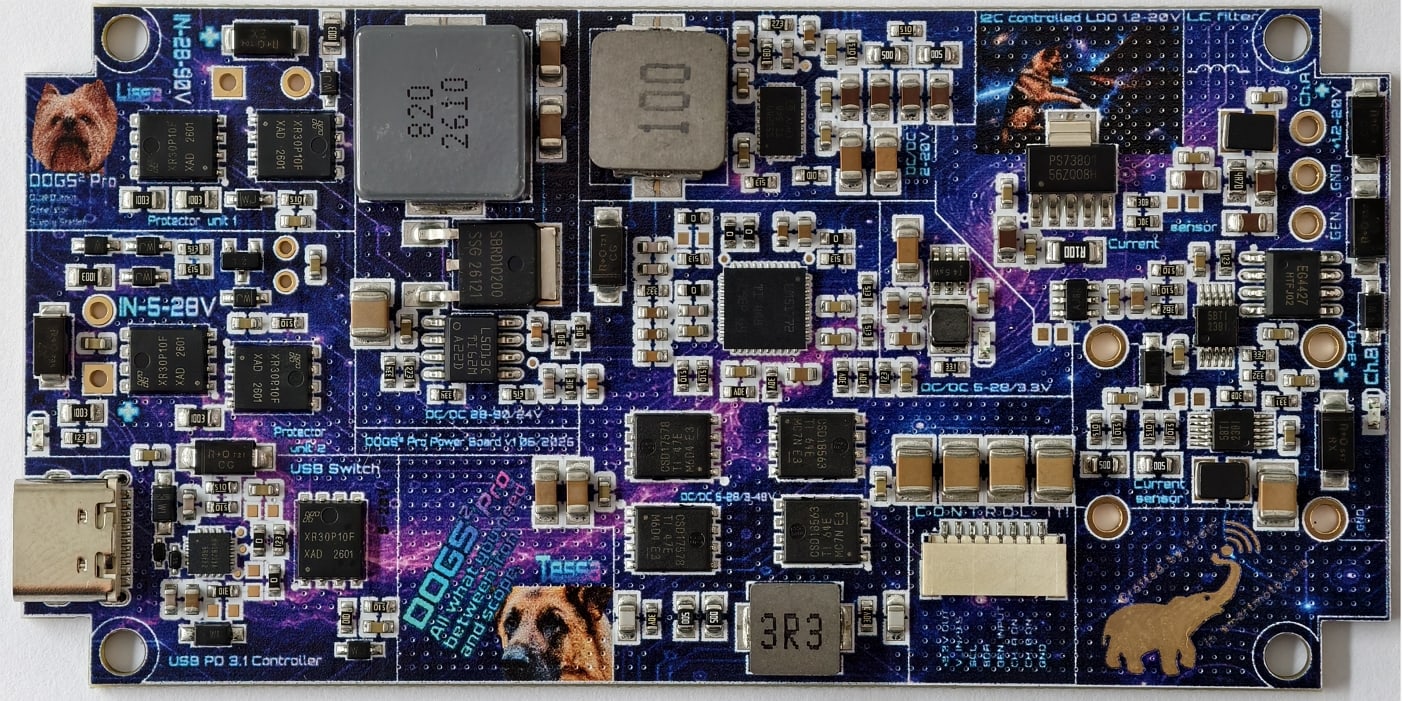
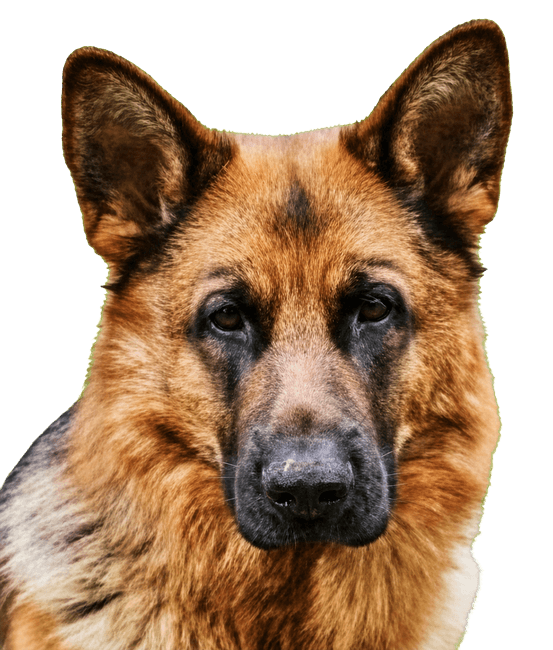
DOGS² stands for Dual Output Generator Supply Station. The name is also dedicated to the creator’s two dogs—Tessa, a German Shepherd, and Lissa, a Yorkshire Terrier—whose portraits appear on the boards.



The creator
DOGS² is designed by Sergei, an electronics engineer with decades of hands-on experience in embedded systems, industrial electronics and product development. The project grew from a practical need: fewer instruments and adapters on the bench, without losing the tools required for everyday board bring-up.
About the creator on Hackaday.ioOpen source
The v1 hardware design is released under the CERN Open Hardware Licence Version 2 — Weakly Reciprocal. Schematics, manufacturing files, BOMs, design sources and enclosure STEP files are available for review. Read the documented hardware and mechanical issues before building a v1 sample. The firmware and software tools are released under the GNU General Public License v3.0 only (GPL-3.0-only).
Follow DOGS²
Get engineering updates, new documentation, beta-testing invitations and crowdfunding news.
Your email will be used only for the DOGS² updates listed above. We do not sell it or share it with advertisers. You can unsubscribe at any time.